Service · Editorial
Editorial design and layout
Giving information a form that invites people to read.
Editorial design organises text, images and data into a reading experience that makes sense. At Mariona Agency we develop reports, dossiers, publications and corporate documents, from their structure through to final preparation. We look after hierarchy and rhythm so readers can find their way, go deeper and understand what matters at each point.
Designing the publication as a journey
A long document needs an architecture that connects its parts. The contents page, section openers, headings and navigation devices help readers get their bearings; images and pauses set the pace of reading. Every element has to contribute to the argument of the whole.
We work with the content and with the context in which it will be used. A sales dossier, a corporate report and a brand publication need different rhythms and levels of information. We define a dedicated editorial system that respects the identity and handles that variety consistently.
How we think about editorial design
A lot of information without order wears the reader out before page two.
We organise levels of reading: what is seen first, what supports it and what is there for reference.
That way, the publication can be read from start to finish without losing the thread.
Animation: lines of text piled up on a spread fall into a grid with a title, standfirst, body text and image; that spread then becomes the first in a sequence that an orange line runs through.
Clear Flow and Human First
Good layout goes unnoticed: readers know where to look, where to pause and how to find their way back. We define hierarchies and rhythms that make even the densest content readable.
Every publication has a specific reader, with their own time and their own interests. We design for that person, not for the page, and we review the whole document the way they will read it, from start to finish.
What editorial work includes
Structure and levels of reading
We organise chapters, sections and hierarchies. We establish what a quick read should pick up and which content needs more room to develop.
Art direction and page system
We define grids, typography, the relationship between text and image, and graphic devices. The system allows the composition to vary while keeping the publication unified throughout.
Data and visual content
We design charts, diagrams and image treatments when the content calls for them. The representation has to be faithful to the data and make it easier to interpret.
Layout and final preparation
We build the document, incorporate the agreed corrections and prepare the output files. The specifications vary with the medium, the format and the planned production.
Reviewing the document from start to finish
The review checks both the detail of each page and the rhythm of the whole: alignments, breaks, numbering, references, images and typographic continuity. We pay attention to the transitions between chapters and to changes in density. On the final read, it should feel like a document conceived as one, even when different authors and sources have been involved.
How we shape the publication
Understand
We review the readers, the objective, the content and how it will be distributed.
Clarify
We build the table of contents and define the levels of reading.
Design
We develop the visual system and a set of representative pages.
Refine
We lay out and review the whole with the approved content.
Launch
We prepare the agreed versions and final artwork.
Case study
Editorial design
CBRE offering memorandum
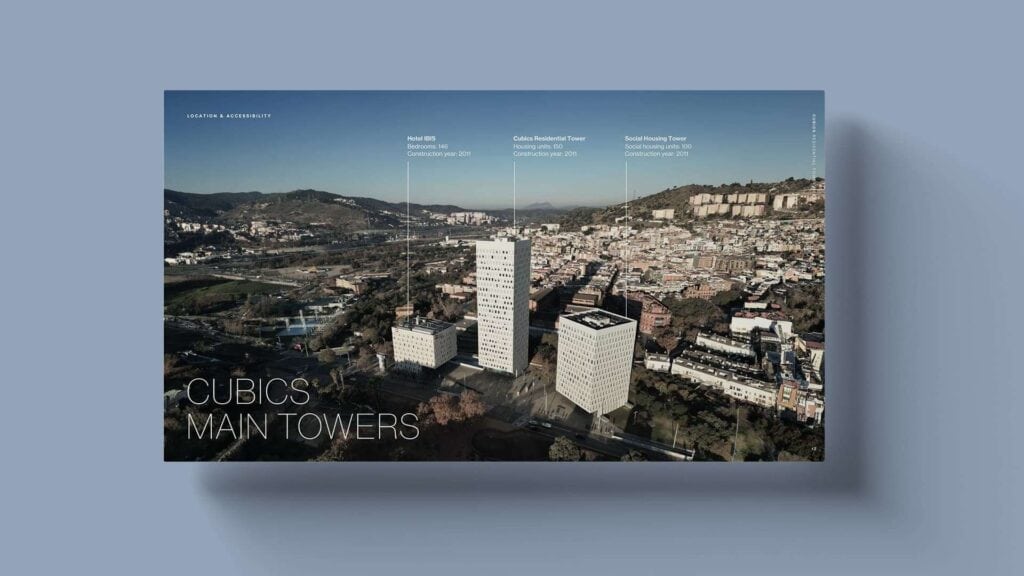
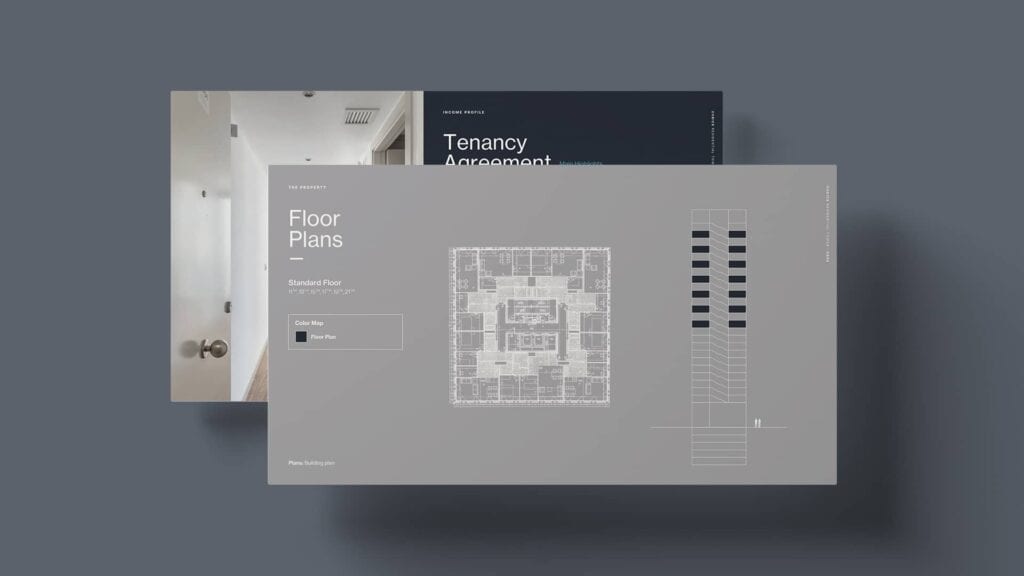
We designed and laid out an offering memorandum for CBRE to present a building in Barcelona. The editorial system organises technical and financial information with a visual hierarchy consistent with the consultancy’s identity.
See the project: CBRE offering memorandumQuestions about editorial design
Can you work within our brand guidelines?
Yes. The editorial system can be built from an existing identity. We define how its rules apply to a publication with its own reading and navigation needs.
Are copywriting and proofreading included?
That is set out in the scope. We can include work on structure and text, but it is best kept separate from the layout, with a clear agreement on who signs off data, translations and final content.
What is the difference between an editorial publication and a catalogue?
A catalogue organises a range so products can be found and compared. An editorial publication develops a narrative or information chapter by chapter. They share design tools, but their structure serves different uses.
Let’s build a publication worth the reader’s time
Share the content and how it will reach its readers. We’ll find the order and rhythm it needs.
Let’s talk about your publication