Service · Packaging
Packaging design
A product starts telling its story before it is opened.
We design packaging that connects brand identity with the information a person needs to choose. We work on packs, labels and range systems from Barcelona, taking care of composition, hierarchy and visual consistency. The design has to express the product’s character and work in its real conditions of display, reading and production.
A brand decision in a very specific space
A pack has to do several things at once: identify the brand, explain the product, distinguish a variety and make room for technical information. All on a limited surface and, often, within a very short span of attention.
We study the category, the format and the sales channels before setting a direction. We look at the range as a whole and at how each product reads. That way, new variants don’t become isolated one-offs, and important information doesn’t lose strength on its way from the design on screen to the real pack.
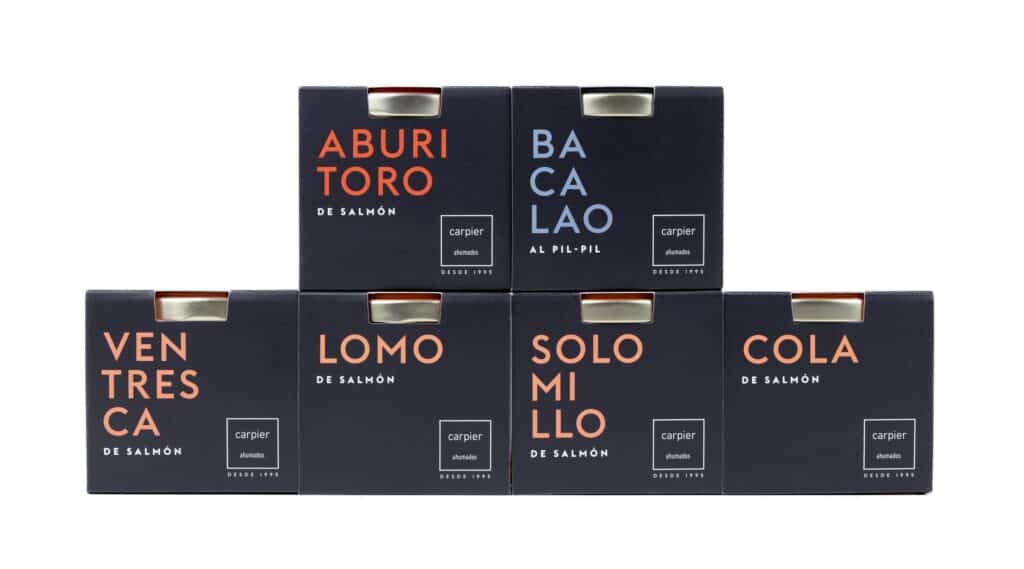
How we think about packaging
A pack starts out flat: structure, folds and measurements.
The brand is designed on the real form, not on a screen.
And it works as a family: every product is recognisable on the shelf.
Animation: the flat die-cut of a box folds up into the pack; it takes on the brand’s graphics and goes on the shelf beside the rest of the range.
Clear Flow and Human First
On the shelf, there are only seconds to choose. We order the information on the pack by importance, so it is clear what it is, who it is for and how it is used, without having to look for it.
A pack is touched, opened and kept. We think about that real use: how it is picked up, how it reads up close and from a distance, and what remains once the product is at home.
What we developed
Concept and product identity
We translate the positioning into a visual expression suited to the category. The brand, the product name and its proposition must keep a clear, recognisable relationship.
Range architecture
We organise families, varieties, formats and levels of information. We define what stays and what changes, so the range can grow without losing consistency.
Pack and label design
We work on the agreed formats and dielines, bringing together typography, imagery and content. We take reading areas and print limitations into account from the start of the graphic development.
Adaptations and final artwork
We prepare the products included in the project and their production files. The review is coordinated with the client and the supplier to check content, dimensions and specifications.
The review happens on the real product
A proposal has to be seen on the whole pack and alongside the rest of the range. Agreed prototypes or proofs help check scale, folds, joins and legibility. Mandatory information, ingredients and claims must arrive approved by the client or their specialists; the design organises that content without changing its meaning.
From concept to final artwork
Understand
We review the product, category, channel, formats and content requirements.
Clarify
We rank brand, variety, benefits and technical information by priority.
Design
We develop the proposal and the range system on real formats.
Refine
We check legibility, consistency and production constraints.
Launch
We deliver the agreed final artwork and support its review with the supplier.
Case study
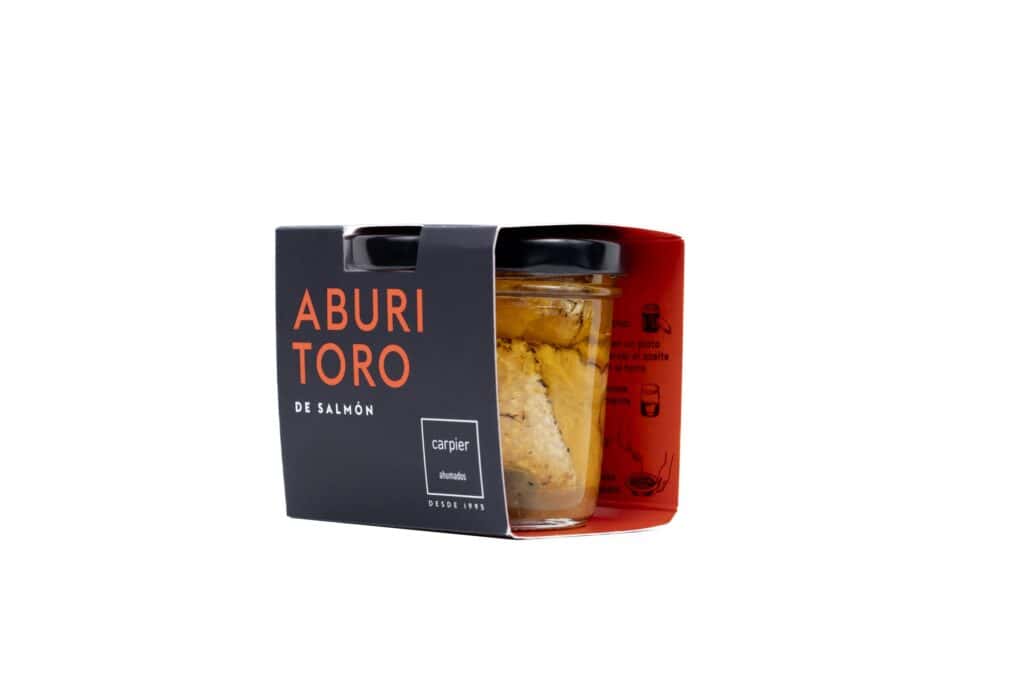
Branding and packaging
Carpier
For Carpier we developed the new branding and packaging system for its smoked range: identity, art direction and pack design for the whole line, with final artwork for retail shelves and the HORECA channel.
See the project: CarpierQuestions about packaging
Can we refresh a range without changing the whole brand?
Yes. The work can focus on organising and updating the packaging within an existing identity. First we check which brand rules must stay and where there is room to evolve.
Does it include structural pack design?
It depends on the scope. We can work on an existing format or address structural needs with the relevant specialists and manufacturers. That difference is settled when the project is defined.
Who approves the mandatory text and the claims?
The client and the relevant specialists. We take care of how that content is integrated and how legible it is, and we prepare the graphic review, but we don’t replace the product’s technical or regulatory approval.
Let’s give your product the presence it deserves
Tell us what you sell, how it is presented and what the person looking at it needs to understand. We’ll design from there.
Let’s talk about your packaging